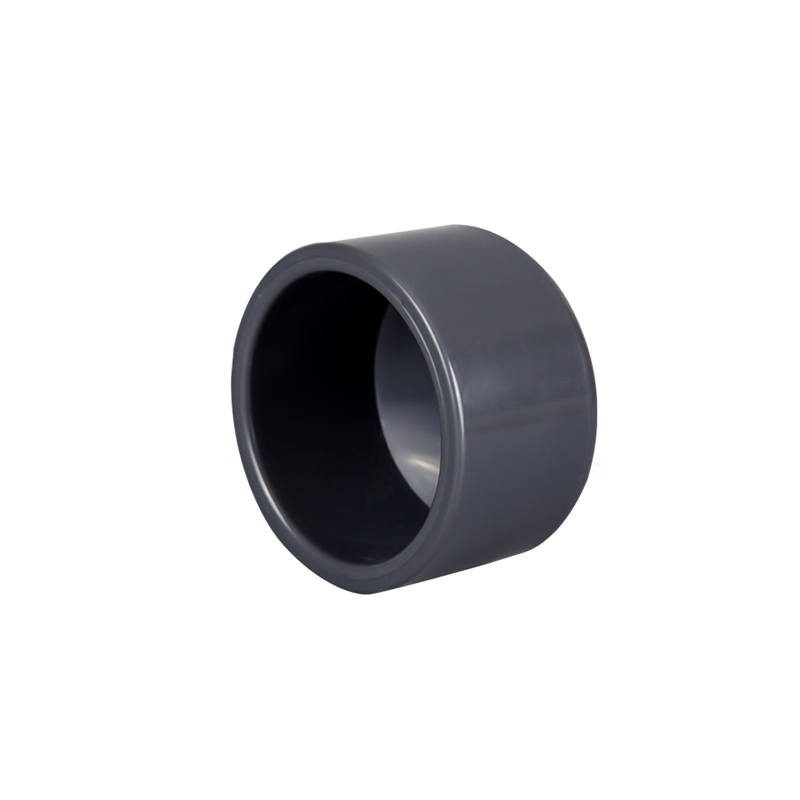
UPVC pipe systems occupy a core position in modern architectural drainage, chemical transport, and industrial fluid handling sectors. Relying on their excellent corrosion resistance, stable chemical and physical characteristics, and convenient installation methods, UPVC pipe products have become the preferred transmission medium in various environments. Understanding the specifications and connection methods is crucial for improving the service life and sealing reliability of pipeline systems.
Material Properties and Technical Advantages of UPVC
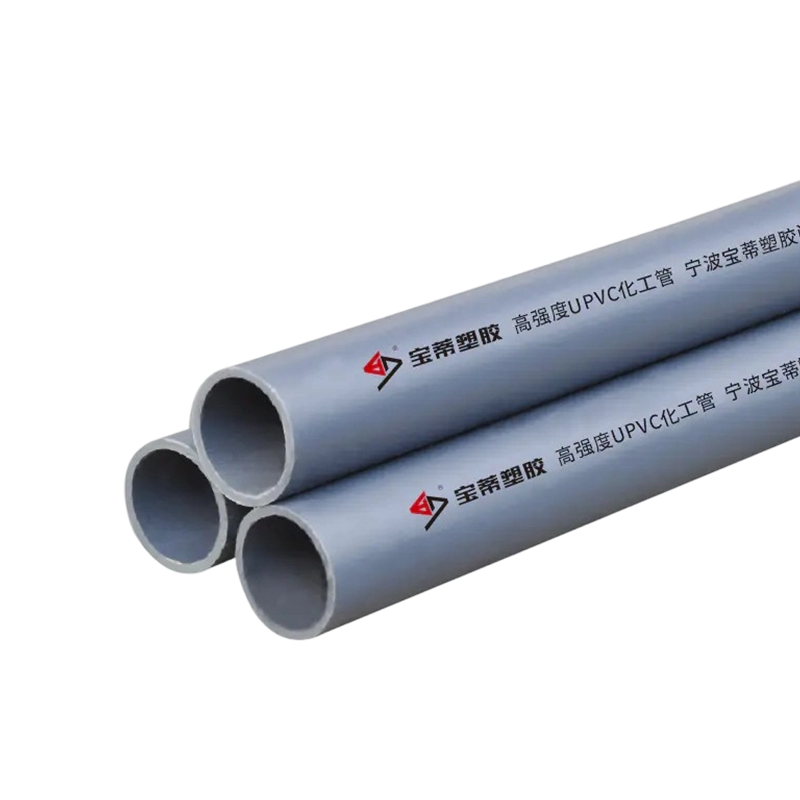
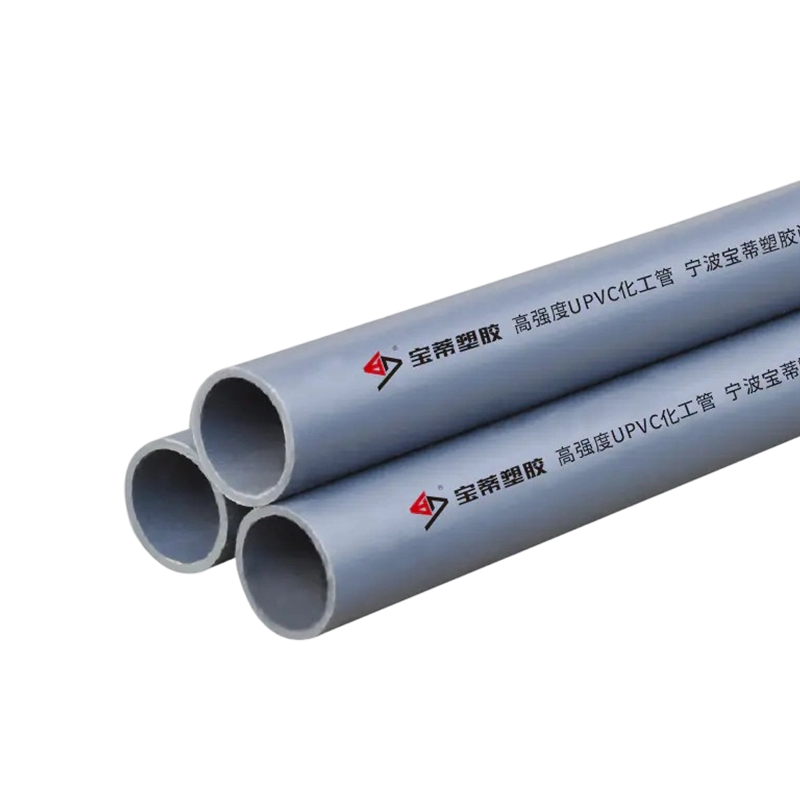
UPVC pipe is manufactured by adding stabilizers, lubricants, and modifiers to resin, followed by an extrusion process. Its main characteristics include an extremely high degree of inner wall smoothness, which can effectively reduce fluid resistance and improve transport efficiency. In drainage applications, UPVC materials are resistant to scaling, which significantly reduces the risk of blockage within the pipe.
From a physical performance perspective, UPVC pipe possesses good rigidity and compression capability. Within the normal operating pressure range, it maintains high geometric stability and is not prone to plastic deformation. Regarding chemical resistance, UPVC is inert to most acids, alkalis, and salts, making its performance superior to metal pipes in complex chemical environments.
Key Specification Analysis: 110mm UPVC pipe and 150mm UPVC pipe
In actual engineering design, the selection of pipe diameter directly determines the drainage flow rate and pressure loss of the system.
110mm UPVC pipe: Mainly used for vertical stacks and horizontal branch pipes in civil buildings, it can meet the daily drainage load of most single-family residences and medium-sized office buildings. Its design flow rate matches well with gravity flow speeds, providing excellent self-cleaning capabilities.
150mm UPVC pipe: Typically used for main drainage trunk lines or drainage collection systems with higher flow requirements. A larger cross-sectional area can effectively relieve pipeline network pressure and reduce sealing failure caused by negative pressure.
The following table lists the basic reference parameters for common UPVC pipe specifications:
| Nominal Outer Diameter (mm) |
Wall Thickness (mm) |
Ring Stiffness (kN/m²) |
Main Application Scenarios |
| 110 |
3.2 - 4.2 |
≥ 8 |
Internal building drainage/ventilation systems |
| 150 |
4.0 - 5.0 |
≥ 8 |
Main trunk collection/industrial sewage discharge |
Connection Technology and Sealing Logic for UPVC fittings
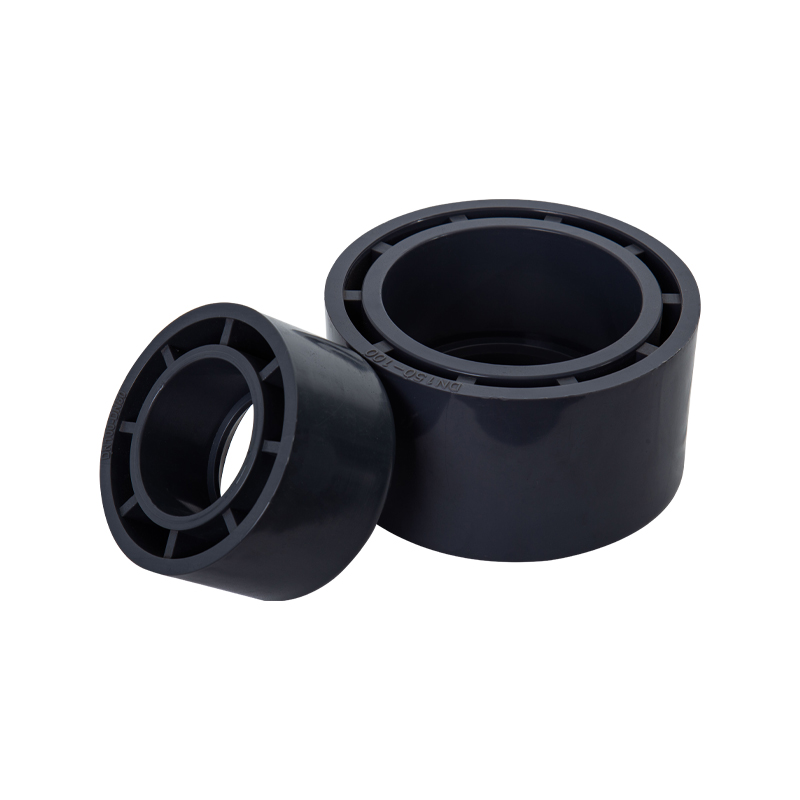
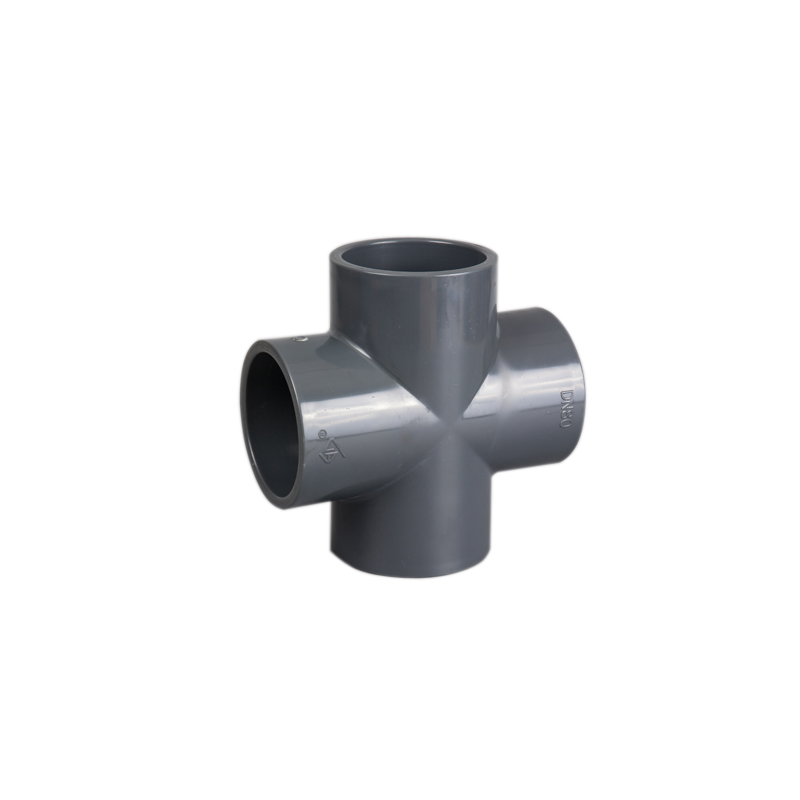
UPVC fittings, as important hubs in pipe network systems, have design precision that is directly related to the tightness of the overall structure. Common connection forms include solvent cement welding, sealing ring joints, and special flange connections.
During the installation process, the insertion depth of UPVC fittings is the key to controlling connection strength. When using professional solvent-type adhesives, one must ensure that the pipe ends and the inner walls of the fittings are cleaned to remove grease and moisture, ensuring uniform chemical welding. For large-diameter pipe installation scenarios, elastic sealing ring connections should be prioritized, utilizing the compression deformation of the rubber sealing ring to absorb minor thermal expansion and contraction of the pipes.
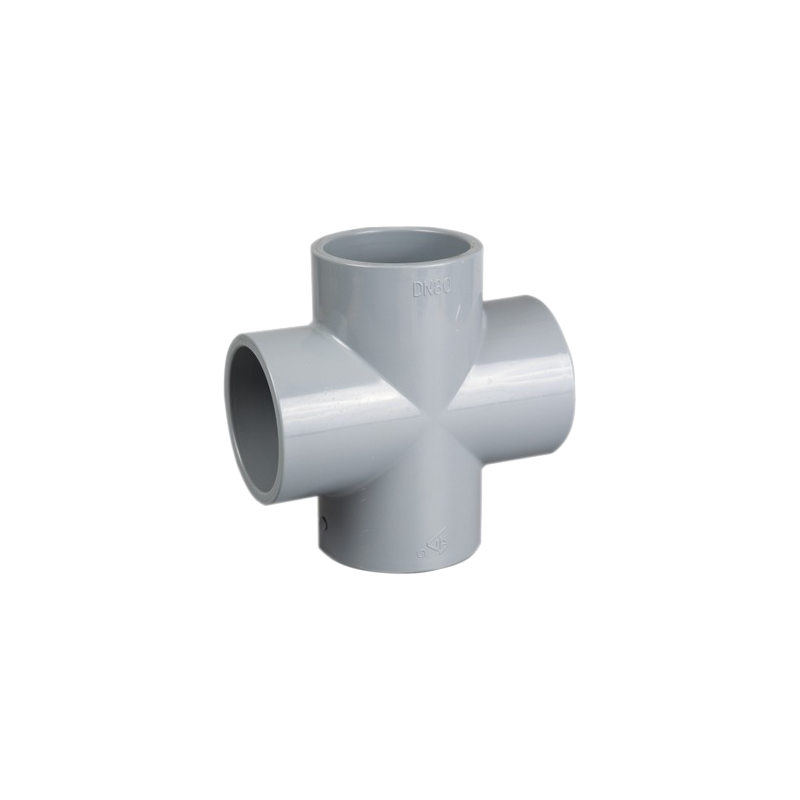
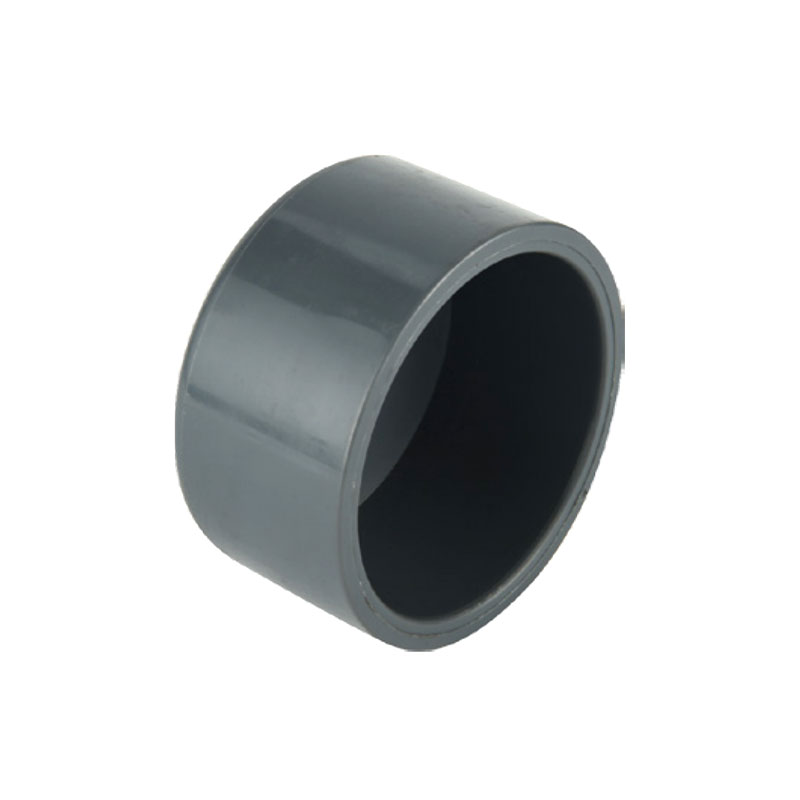
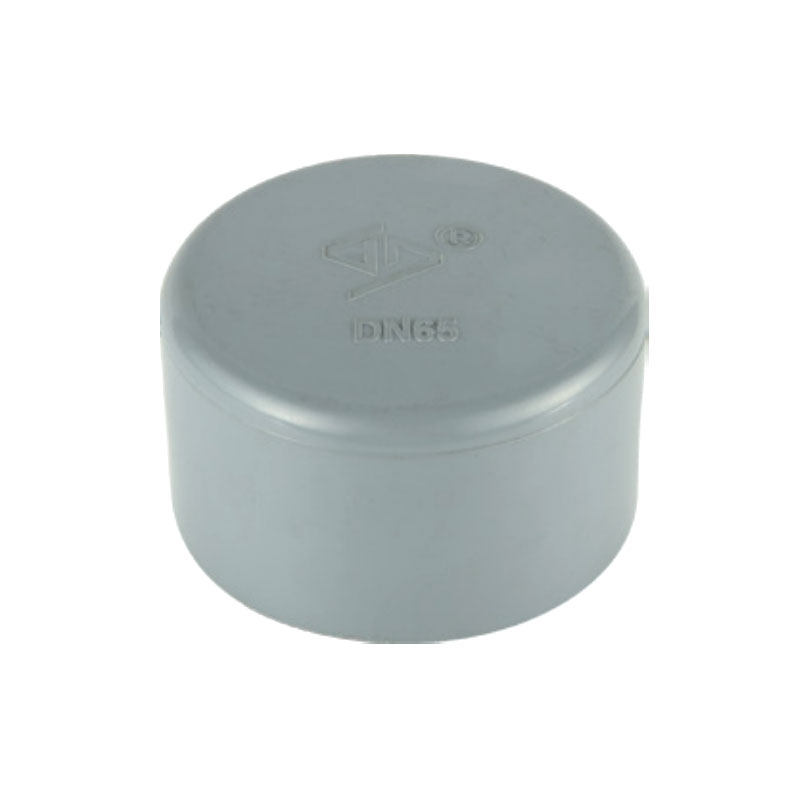
The types of UPVC pipe fittings include elbows, tees, reducing joints, and cleanouts. The wall thickness distribution of each piece must meet pressure rating requirements. Under high-load operation, the corners of UPVC pipe fittings often bear significant hydraulic impact, so the selection of fittings should ensure that they possess impact strength indicators consistent with the pipe material.
Engineering Practice Points for UPVC drainage pipe
In the installation specifications for UPVC drainage pipe, the setting of slope is a core technical aspect. According to fluid dynamics principles, drainage pipes need to maintain a reasonable constant slope to ensure that the flow velocity inside the pipe can effectively carry solid impurities for smooth discharge.
In addition, thermal compensation of the pipeline system is an important consideration in construction. UPVC material has a certain coefficient of linear expansion. In long-distance transmission lines, expansion joints must be installed to cope with stress accumulation caused by seasonal temperature differences. When installed vertically, sturdy pipe clamps and supports should be configured. The spacing of the supports must be strictly set according to the pipe diameter and wall thickness to prevent uneven settlement caused by the dead weight of the pipe, which could lead to micro-leaks or cracks at the interfaces.
During the pressure test after the completion of the system, the pipe network system should be kept at a stable static pressure, with a focus on checking the integrity of the UPVC fittings interfaces to ensure no obvious pressure decay occurs under design pressure. Through precise management of every connection point, the long-term stable operation of the pipeline network system can be achieved.